Stroke & Hospice
How Hospice East Bay helps people living with Stroke
Support for Patients
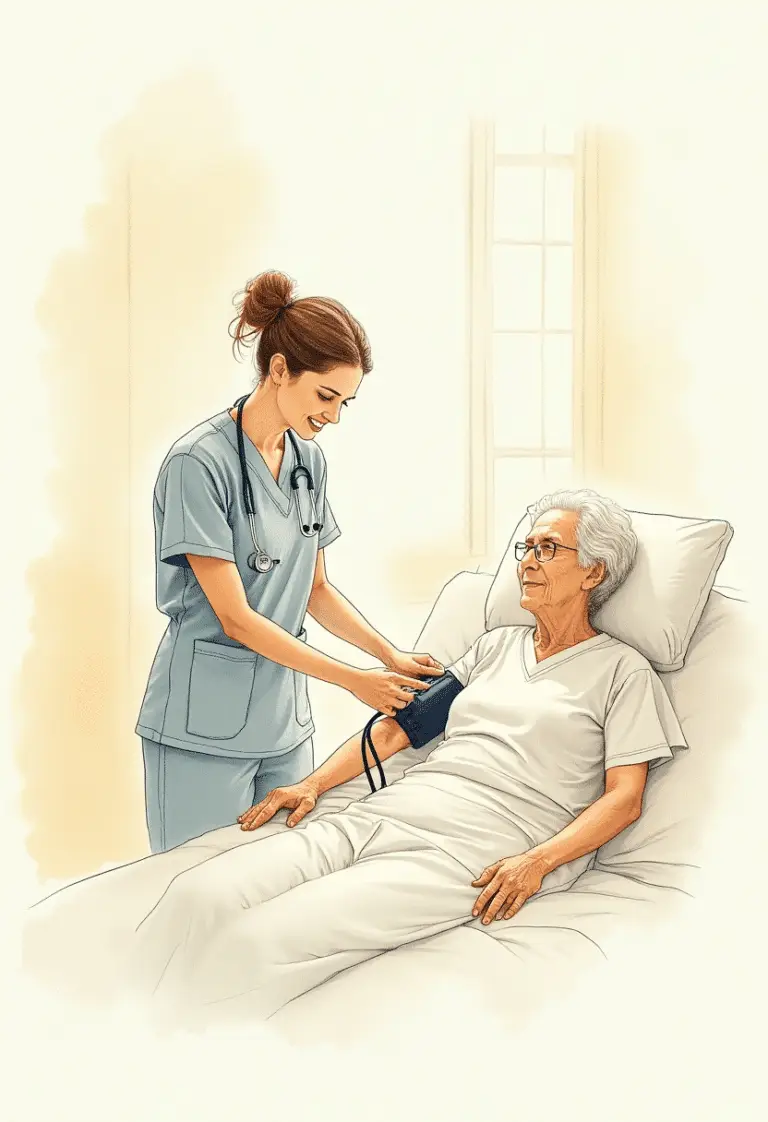
- Managing medications to ease pain, agitation, or infections.
- Oxygen therapy or positioning support to improve breathing.
- Providing suction devices for swallowing difficulties or to reduce choking risks.
- Providing hospital beds, wheelchairs, or other tools to ensure comfort.
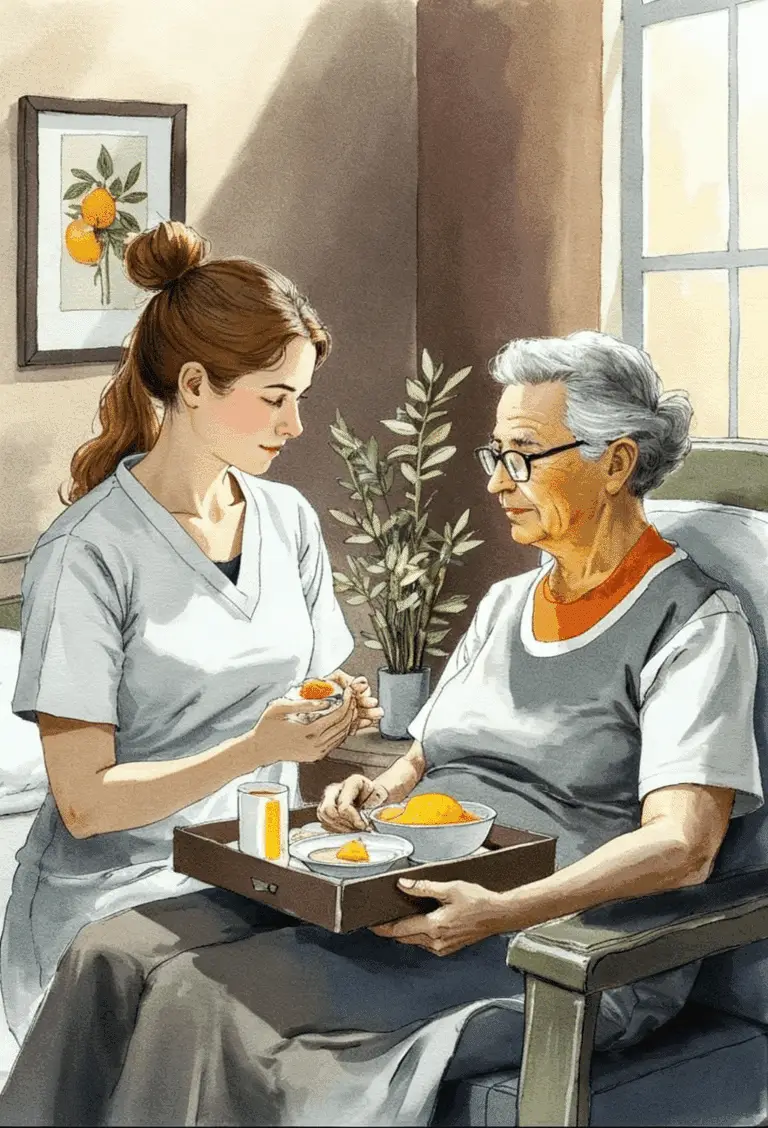
- Assistance with feeding, mobility, and managing paralysis or other disabilities.
- Our Bruns House inpatient facility provides short-term intensive treatment in a homelike setting for management of uncontrolled symptoms.
Support for Families & Caregivers
- Teaching families how to safely feed a loved one, manage paralysis, or recognize signs of infections and distress.
- Explaining the natural physical changes that occur during the final stages of life, helping families feel prepared and less alarmed.
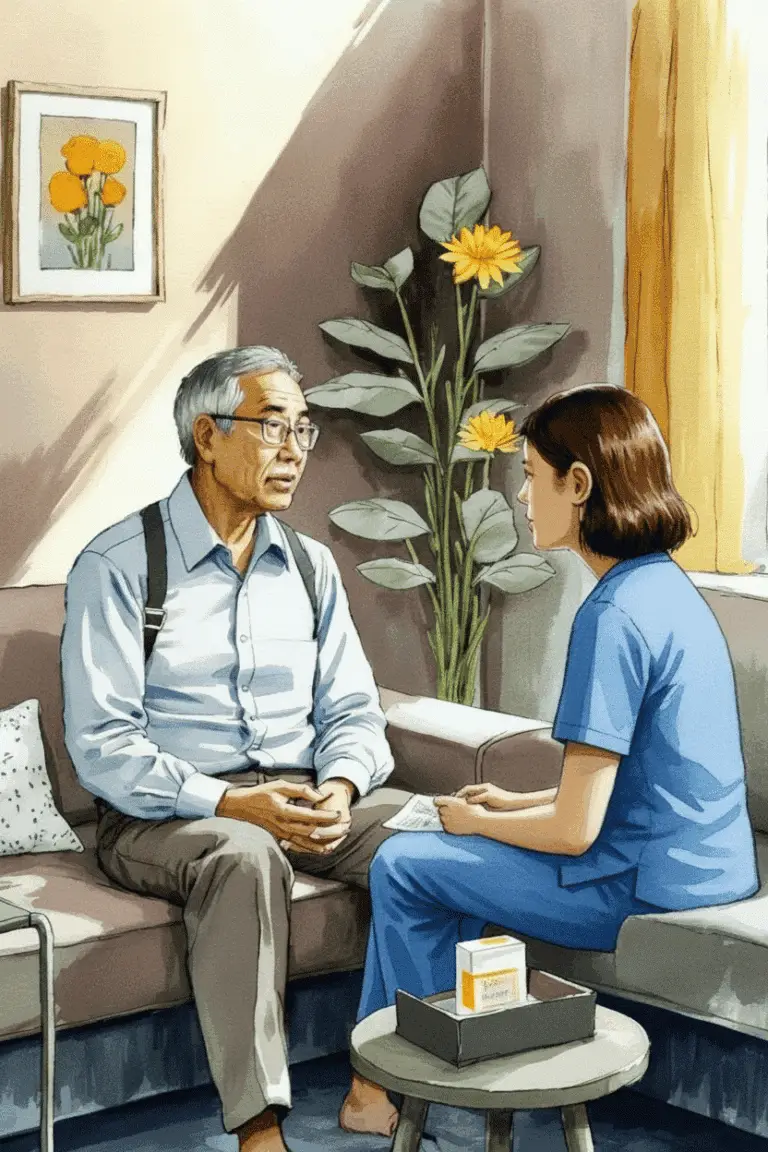
- Offering counseling to help families cope with sudden or serious health changes.
- Providing spiritual care and social work services to address emotional and practical needs.
- Ensuring families have access to equipment like suction tools, hospital beds, or wheelchairs to make caregiving easier.
- Giving families 24/7 access to hospice nurses for emergencies and guidance.
Support for Veterans
- Hospice East Bay’s Veteran-Centered Care program helps veterans following a stroke by addressing the unique challenges they may face due to military service, such as navigating the VA healthcare system, and ensuring they have access to programs that provide caregiver support and compensation.
- Veterans who have suffered strokes may qualify for additional benefits, especially if their stroke was linked to service-related conditions like hypertension for Vietnam Veterans.
How to Qualify
Hospice Care helps people living in the advanced stages of stroke recovery. You or your loved one may qualify if they experience:
- Need help eating, drinking, or moving around.
- Depend on others for basic care, such as bathing or dressing.
- Significant weight loss (e.g., 10% in 6 months).
- Trouble swallowing, leading to a higher risk of pneumonia or aspiration.
- Weakness or paralysis (e.g., one-sided paralysis from the stroke).
- Limited ability to function, often spending most of the time in bed or sitting.
How Palliative Care Can Help
- Emotional and psychosocial support includes counseling to address anxiety, depression, or fear related to the disease.
- Symptom management and relief focuses on reducing pain and other challenging symptoms while enhancing the patient’s overall quality of life.
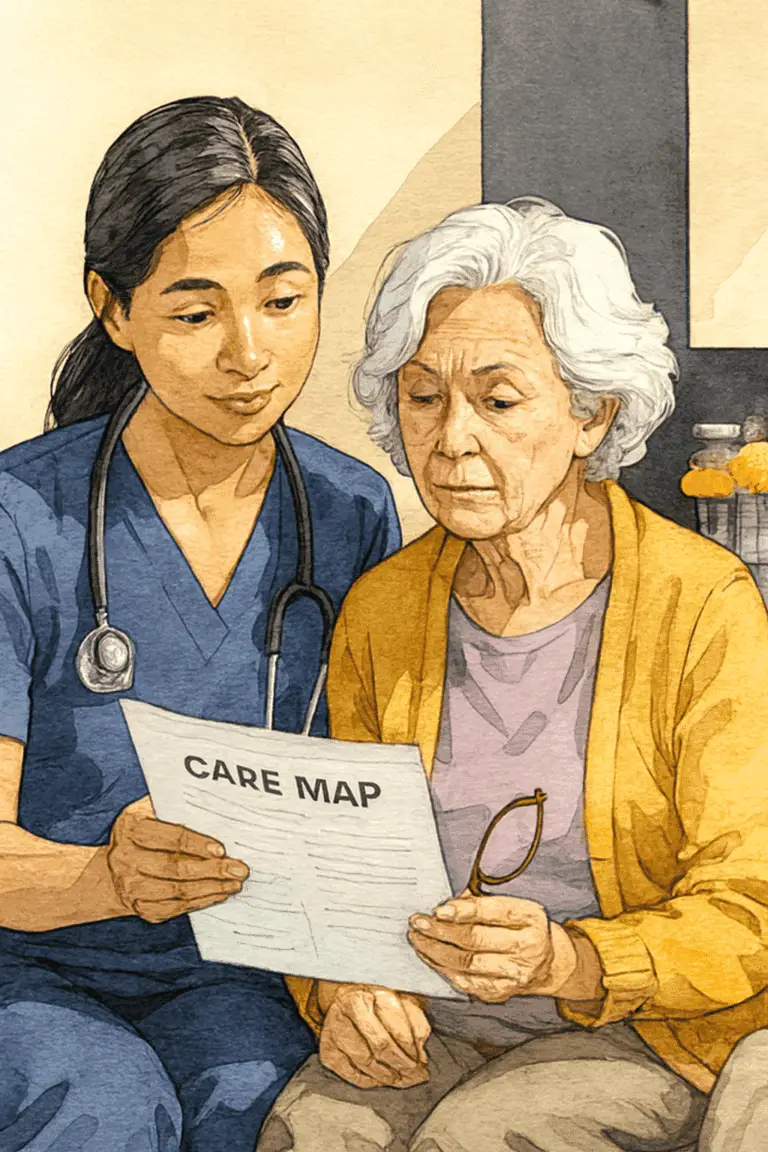
- Goals-of-care discussions identify what it means for the patient to live well—their goals, values, and treatment preferences—to support informed decision-making by patients and families.
- Care coordination with the appropriate specialists (such as oncologists, neurologists, or primary care providers) to align treatment with the patient’s goals and evolving needs.
- Transition planning for when curative treatments are no longer effective or meeting the patient’s goals and values.
- Future planning and advance directives involve supporting patients in designating healthcare decision-makers and completing medical and legal planning documents.
Hospice East Bay ensures that patients with Stroke receive compassionate, tailored care while families feel supported, educated, and prepared for the journey ahead.
Talk to A Nurse about Hospice Care
Fill out this form and we will be in touch with you promptly.