HIV & AIDS & Hospice
How Hospice East Bay helps people living with HIV & AIDS
Support for Patients
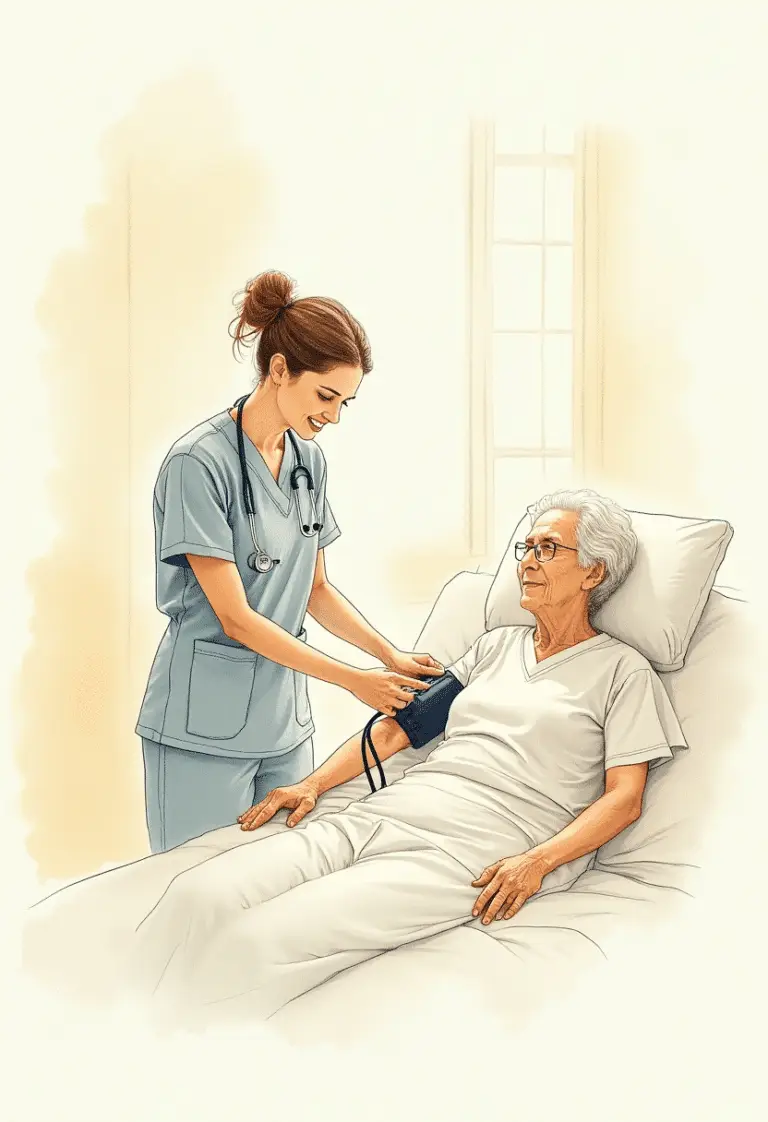
- Managing pain, nausea, diarrhea, and other HIV-related symptoms.
- Providing treatments for infections or complications like wounds or breathing difficulties.
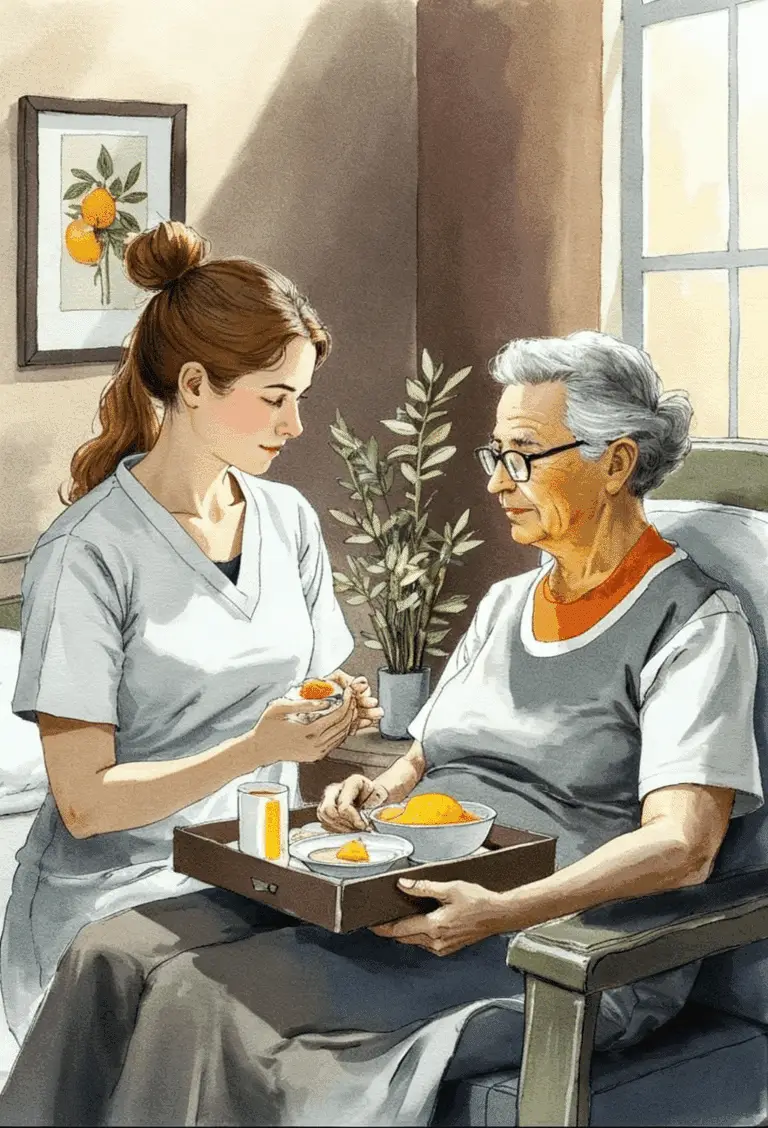
- Offering nutritional advice and supplements to address weight loss and malnutrition.
- Covering medications to control symptoms, such as pain relief or anti-nausea medicine.
- Supplying hospital beds, wheelchairs, or other equipment to improve comfort and mobility.
- Addressing issues like anxiety, depression, or fear through counseling and, if necessary, medication.
- Ensuring patients feel supported and comfortable during end-of-life care.
- Bruns House inpatient facility provides short-term intensive treatment in a homelike setting for management of uncontrolled symptoms.
Support for Families & Caregivers
- Teaching families how to manage symptoms like diarrhea, skin problems, or infections.
- Explaining how HIV progresses and what to expect in the later stages.
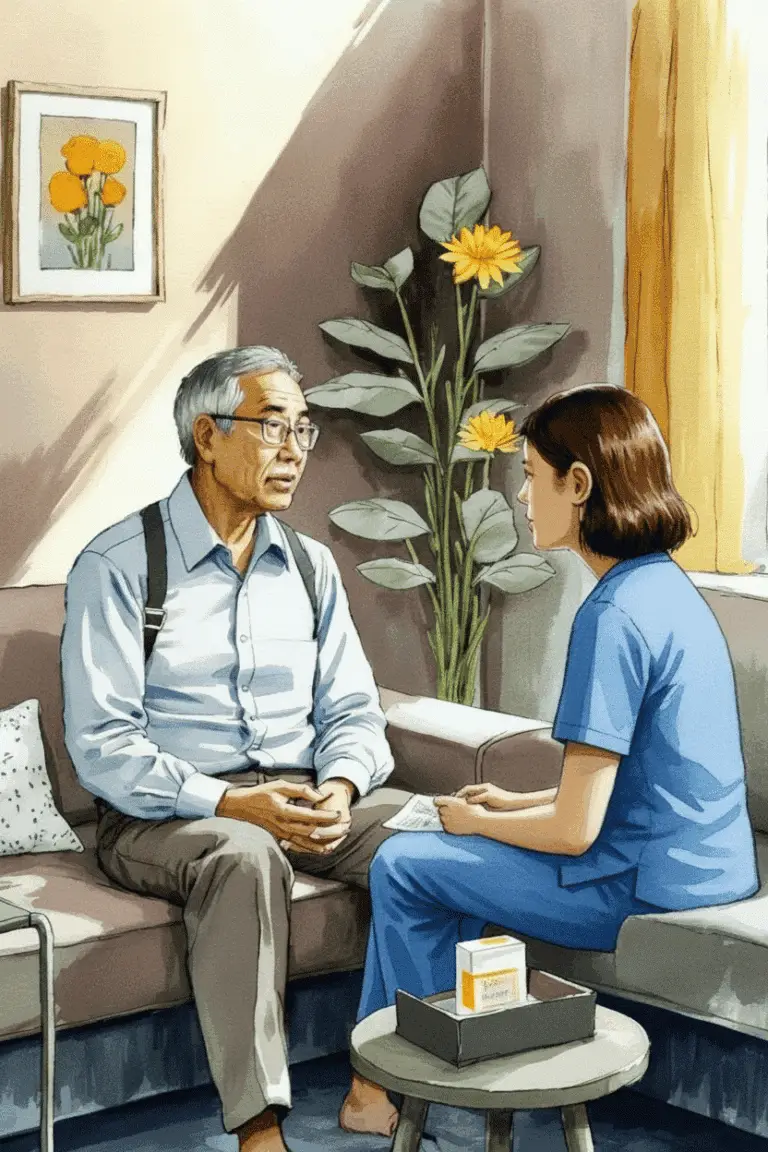
- Helping families cope with the emotional challenges of caring for a loved one with HIV.
- Providing access to social workers and spiritual care providers for comfort and guidance.
- Offering tips for maintaining nutrition and hydration.
- Ensuring 24/7 access to hospice staff for questions or emergencies.
Support for Veterans
- Hospice East Bay’s Veteran-Centered Care program helps veterans living with HIV by addressing the unique challenges they may face due to military service, such as navigating the VA healthcare system, and ensuring they have access to programs that provide caregiver support and compensation.
- Many older veterans, especially from the Vietnam era, may have contracted HIV through risky behaviors like drug use or needle sharing after their service. This can lead to feelings of shame or stigma. Hospice East Bay provides a safe, non-judgmental space to address these emotions and offers psychosocial support to help veterans and their families process these feelings.
How to Qualify
Hospice Care helps people with advanced HIV or AIDS when their health is declining, and treatments are no longer working. You or your loved one may qualify for hospice care if:
- HIV treatments, like antivirals, are no longer effective.
- Frequent infections that don’t improve with antibiotics.
- Significant, unintentional weight loss (10% or more in the past six months).
- Certain cancers, like Kaposi sarcoma (purple or dark skin spots) or central nervous system lymphoma.
- Memory or thinking problems caused by AIDS-related dementia.
- Severe diarrhea or difficulty eating due to wasting syndrome.
- Organ failure, such as kidney or liver failure.
- Difficulty walking or performing basic tasks like eating, dressing, or bathing.
- Overall reduced physical function, often needing help with most daily activities.
Hospice care focuses on easing symptoms, improving comfort, and providing emotional and practical support for patients and families. If you’re unsure whether hospice is the right fit, a hospice team can guide you through the process.
How Palliative Care Can Help
- Emotional and psychosocial support includes counseling to address anxiety, depression, or fear related to the disease.
- Symptom management and relief focuses on reducing pain and other challenging symptoms while enhancing the patient’s overall quality of life.
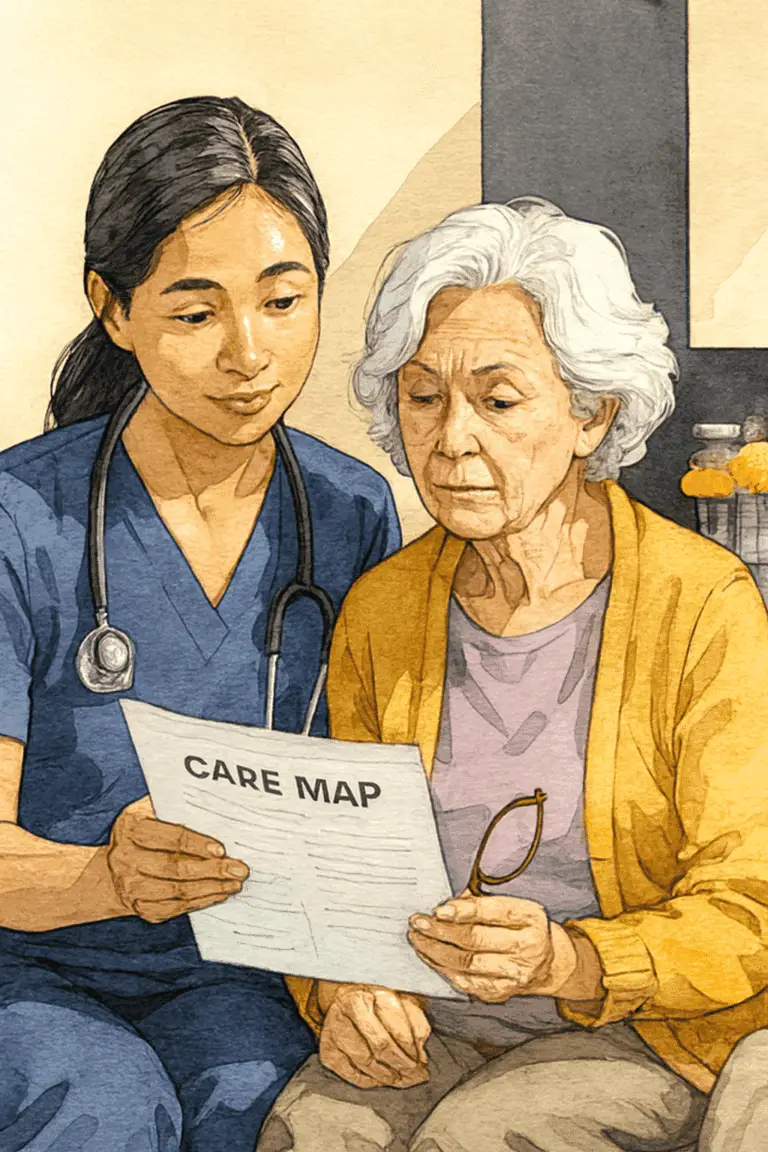
- Goals-of-care discussions identify what it means for the patient to live well—their goals, values, and treatment preferences—to support informed decision-making by patients and families.
- Care coordination with the appropriate specialists (such as oncologists, neurologists, or primary care providers) to align treatment with the patient’s goals and evolving needs.
- Transition planning for when curative treatments are no longer effective or meeting the patient’s goals and values.
- Future planning and advance directives involve supporting patients in designating healthcare decision-makers and completing medical and legal planning documents.
Hospice East Bay ensures that patients with HIV/AIDS receive compassionate, tailored care while families feel supported, educated, and prepared for the journey ahead.
Talk to A Nurse about Hospice Care
Fill out this form and we will be in touch with you promptly.